Initial Planning and Council Approvals
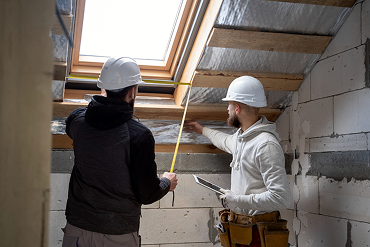
We start by verifying local council rules for knockdown rebuilds. Our team checks zoning restrictions, heritage listings, and environmental overlays affecting your property.
Key steps include:
- Reviewing title documents for easements or covenants
- Confirming demolition eligibility with council planning departments
- Identifying required permits for tree removal or asbestos handling
- Assessing site access for demolition machinery and waste trucks
We prepare demolition applications with waste management plans and contractor insurance details. Council feedback gets addressed promptly to avoid delays.
Demolition Process and Site Preparation
Licensed demolition crews disconnect utilities and remove hazardous materials first. Structural elements get dismantled systematically to protect neighbouring properties.
Site clearance involves:
- Sorting recyclable materials like bricks and metals
- Disposing of non-reusable waste through approved channels
- Conducting soil tests for stability and contamination
- Grading the block for drainage and foundation work
We secure the site with temporary fencing and erosion controls. Final inspections confirm the land is ready for new construction.
Design and Construction Planning
Architects develop floor plans matching your lifestyle needs and block dimensions. 3D models show room layouts, window placements, and outdoor living areas.
We adjust designs for sloping blocks by integrating split-level foundations or retaining walls. Heritage-sensitive projects preserve streetscape character while adding modern amenities.
Construction certificates get obtained after finalising engineering specs. Council-approved builders schedule material deliveries to align with project timelines.
Cost Management and Budgeting
Demolition costs range between $10,000-$40,000, depending on house size and asbestos removal needs. Construction expenses vary by design complexity and material choices.
Common budget factors:
- Council application fees ($180-$2,500)
- Soil rectification for unstable ground
- Stormwater system upgrades
- Energy efficiency requirements
- Basement or second-story additions
We provide fixed-price contracts after site assessments. Contingency funds cover unexpected issues like buried debris or rock shelves.
Quality Assurance and Compliance
Inspectors verify foundation depths and steel reinforcement before concrete pours. Framing checks ensure wall alignments match engineering drawings.
Plumbing and electrical installations undergo pressure tests and load assessments. Final inspections certify smoke alarm placements, handrail heights, and waterproofing.
We issue compliance certificates for occupancy permits. Structural warranties cover workmanship for up to 10 years post-handover.
Related Services
Single Storey Extensions
Design Considerations for Single-Storey Extensions We create extensions that blend with your existing home’s architecture while adding functional space. Key design factors include: Roof style: Match existing rooflines or opt for modern flat designs Window placement: Maximise natural light without compromising privacy Floor plan flow: Connect new areas to kitchens or living rooms Material selection: […]
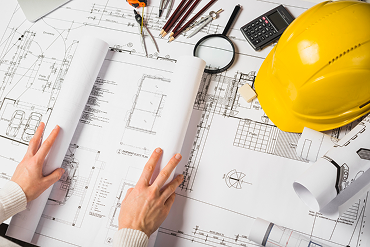

Architectural design
We create smart, stylish home designs that suit your lifestyle. Our team listens to your ideas and brings them to life with practical, modern plans.

Second Storey Extensions
Design Considerations for Second Storey Extensions We assess your existing home’s structure to create functional upper-level spaces. Key factors include: Roof design compatibility with original architecture Staircase placement for minimal ground-floor disruption Window positioning for natural light and privacy Material selection to match or contrast existing finishes 3D models show how new spaces interact with […]

House & Land Package
We offer great house and land packages in top Aussie locations. Choose your block and let us build your dream home, all in one easy process.