
Understanding House and Land Packages
House and land packages combine land purchase with home construction in one streamlined process. Developers pre-select blocks and match them with home designs suited to local conditions.
This approach simplifies approvals, as councils pre-approve designs for specific lots. Buyers avoid separate negotiations for land acquisition and builder selection. Fixed pricing covers site costs, base home construction, and standard inclusions.
Packages suit first-home buyers seeking affordability and investors wanting turnkey properties. Developments often include community infrastructure like parks and shopping precincts.
Steps to Secure a House and Land Package
Process Overview:
- Obtain finance pre-approval for land and construction loans
- Select a package matching budget and lifestyle needs
- Pay reservation fee to secure the block
- Finalise contracts with developers and builders
- Begin construction after land settlement
Construction loans release funds in stages: deposit, slab pour, frame completion, lock-up, and final handover. Buyers inspect progress at each milestone before payments process.
Steps to Secure a House and Land Package
Process Overview:
- Obtain finance pre-approval for land and construction loans
- Select a package matching budget and lifestyle needs
- Pay reservation fee to secure the block
- Finalise contracts with developers and builders
- Begin construction after land settlement
Construction loans release funds in stages: deposit, slab pour, frame completion, lock-up, and final handover. Buyers inspect progress at each milestone before payments process.
Design Customisation Options
Developers offer tiered customisation levels within approved design frameworks. Structural changes like room extensions or layout modifications require engineering approvals.
Non-structural adjustments allow personalization through:
- Kitchen cabinetry finishes
- Flooring material selections
- Exterior colour schemes
- Lighting fixture upgrades
Heritage overlay areas restrict exterior modifications. Estate guidelines may dictate fencing styles or landscaping requirements to maintain streetscape consistency.

Evaluating Land and Location Factors
Assess flood maps and bushfire risk ratings for proposed blocks. Steep slopes increase construction costs through retaining walls or split-level designs.
Proximity to schools, transport links, and employment hubs impacts livability and resale value. North-facing rear yards optimise natural light in living areas.
Soil tests determine foundation requirements – reactive clay soils may need deeper footings. Utility connections verify water, power, and sewage infrastructure availability.

Related Services
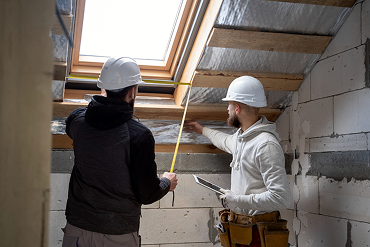

Knockdown Rebuild
Love your location but want a new home? We knock down your old house and build a brand-new one, tailored to your needs, right where you are.
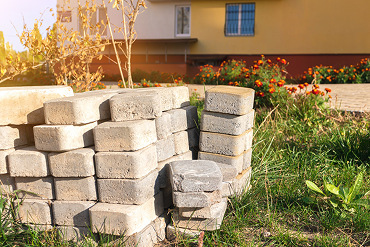
Sloping Blocks
Got a tricky block? No worries. We design and build on sloping land, making the most of your site and delivering a solid, stylish home.

Financial Assistance
We help you find the right finance options for your new home. Our team guides you through the process, making it simple and hassle-free.
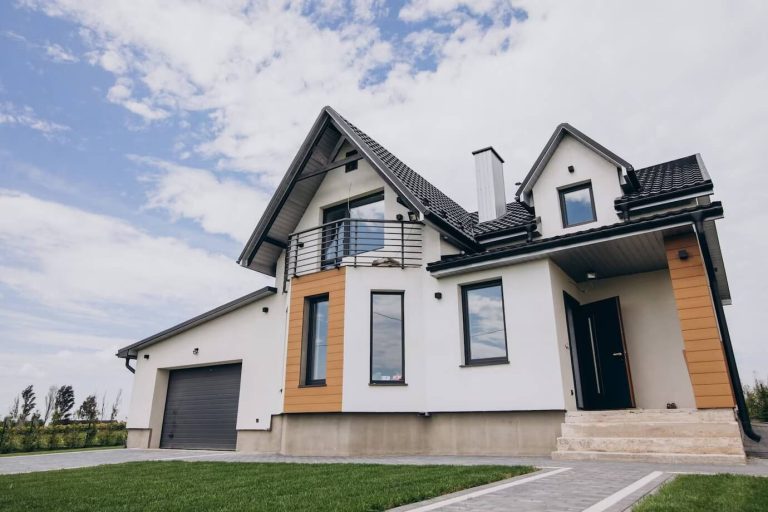
Single Storey Extensions
Design Considerations for Single-Storey Extensions We create extensions that blend with your existing home’s architecture while adding functional space. Key design factors include: Roof style: Match existing rooflines or opt for modern flat designs Window placement: Maximise natural light without compromising privacy Floor plan flow: Connect new areas to kitchens or living rooms Material selection: […]