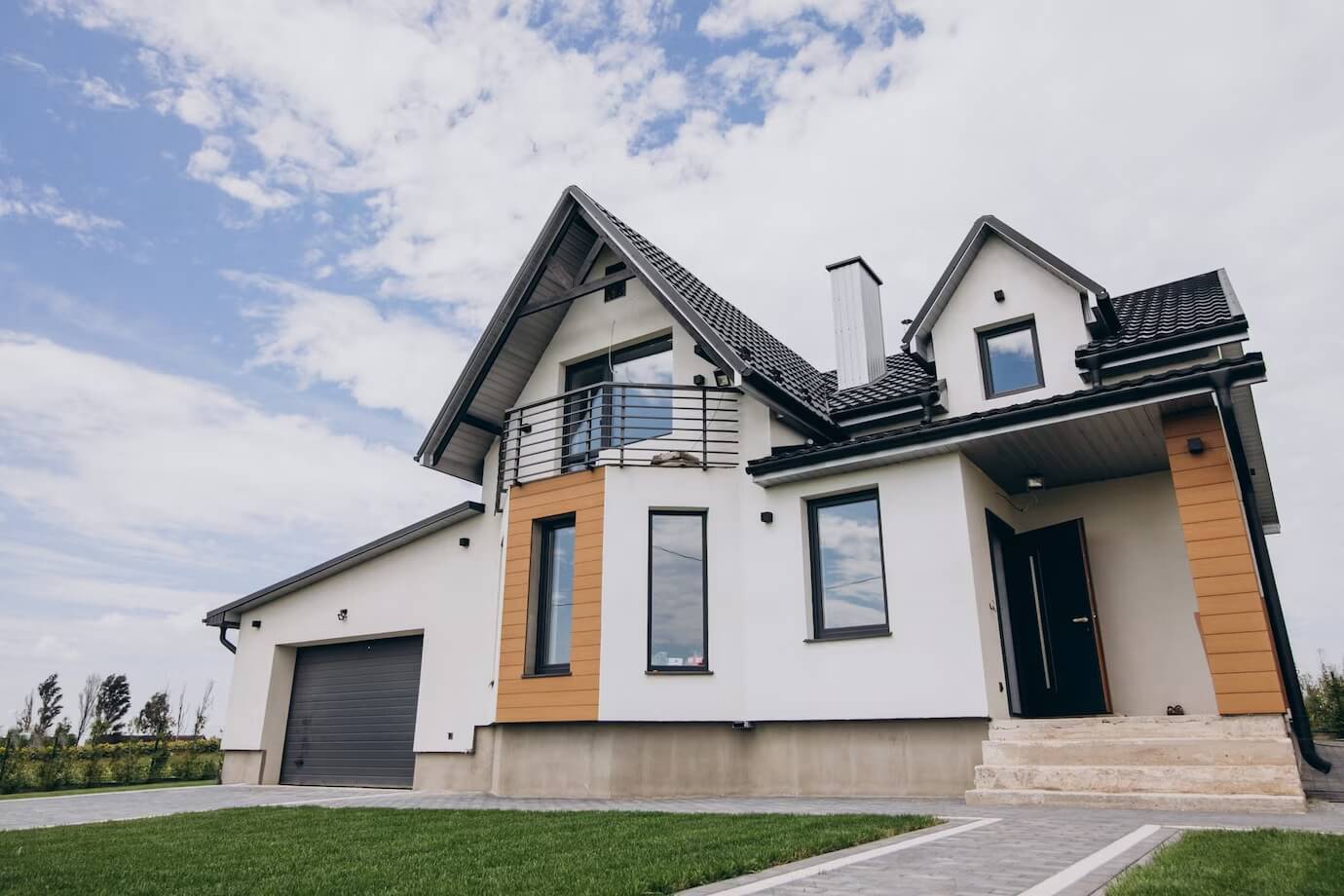
Design Considerations for Single-Storey Extensions
We create extensions that blend with your existing home’s architecture while adding functional space. Key design factors include:
- Roof style: Match existing rooflines or opt for modern flat designs
- Window placement: Maximise natural light without compromising privacy
- Floor plan flow: Connect new areas to kitchens or living rooms
- Material selection: Use complementary bricks, cladding, or render
3D models help visualise how the extension impacts outdoor spaces and interior layouts. We adjust designs to meet local council height restrictions and boundary setbacks.
Cost Factors in Single-Storey Extensions
Project budgets depend on:
- Size: Larger extensions cost more but offer better value per square metre
- Site access: Narrow blocks may require manual material handling
- Foundations: Soil tests determine slab depth or pier requirements
- Fixtures: Premium benchtops or custom joinery increase costs
Basic extensions start near $70,000. Complex projects with structural changes or luxury finishes range from $180,000 to $400,000. We provide fixed-price contracts after finalising designs.
Construction Process Overview
Site Preparation
Clear vegetation, mark underground services, and install safety fencing. Protect existing structures from debris.
Foundation Work
Pour concrete slabs or install stump systems based on soil reports. Inspect reinforcement before pouring.
Framing and Roofing
Erect timber or steel frames. Install insulation and weatherproof membranes. Match roof materials to existing structures.
Internal Fit-Out
Complete electrical wiring, plumbing, and plasterboard installation. Paint walls and install flooring.
Final Compliance
Arrange council inspections for occupancy certificates. Test smoke alarms and safety switches.
Council Approval Requirements
Most extensions need:
- Planning permits for heritage overlays or significant height changes
- Building permits certifying structural safety and energy efficiency
- Engineer-certified designs for retaining walls over 1 metre
- Bushfire attack level (BAL) assessments in high-risk zones
We handle documentation and liaise with surveyors to streamline approvals.
Maximising Space and Functionality
Open-plan layouts create flexible living areas. Bi-fold doors link indoor and outdoor spaces for entertaining.
Built-in storage under windows or in cavity walls reduces clutter. Skylights brighten internal rooms without exterior windows.
Split-level designs work with sloping blocks, avoiding costly excavation. North-facing glazing improves winter warmth in cooler climates.
Related Services

Sloping Blocks
Got a tricky block? No worries. We design and build on sloping land, making the most of your site and delivering a solid, stylish home.

Custom Home Builder
Initial Consultation and Design Planning We start by discussing your vision, budget, and timeline. Our team reviews your block’s site conditions, zoning rules, and council requirements to create feasible designs. Key steps include: Conducting soil tests and land surveys Drafting concept sketches with 3D visualisations Selecting materials aligned with local climate and your style Estimating […]

Home Extension & Renovation
Need more space or a fresh look? We upgrade your home with seamless extensions and renovations, adding value and comfort to your property.
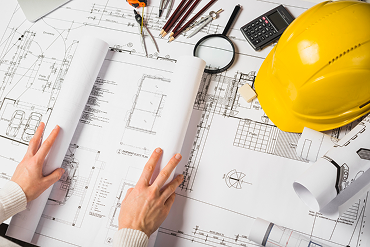
Architectural design
We create smart, stylish home designs that suit your lifestyle. Our team listens to your ideas and brings them to life with practical, modern plans.