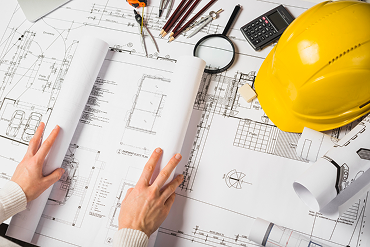
Understanding Architectural Design Services
We create buildings that match your needs and goals. Our process starts by listening to your ideas and studying your site. We then develop initial sketches to show layout options, spatial relationships, and potential challenges.
For complex projects, we analyze zoning rules, environmental factors, and community guidelines early to avoid delays. Our team uses 3D modeling to help you visualize the final result before construction begins.
We focus on functionality first. For example, a retail space might prioritize customer flow, while a home extension could balance natural light and privacy. Our designs adapt to your budget, timeline, and local building codes.
Managing Construction Documentation
We produce detailed drawings that contractors use to build your project. These include floor plans, elevations, cross-sections, and material specifications.
Our team checks measurements, door/window placements, and structural connections to prevent errors. We update documents if design changes occur during construction.
For renovations, we document existing conditions first. This helps integrate new elements with older structures while maintaining compliance.
Stages of Architectural Design Work
Initial Planning
- Discuss your vision, budget, and site specifics
- Research zoning laws, environmental impacts, and utility access
- Draft a project brief outlining scope and priorities
Concept Development
- Create rough sketches showing spatial layouts
- Present material options and structural approaches
- Adjust designs based on your feedback
Technical Detailing
- Refine approved concepts into precise drawings
- Specify materials, electrical systems, and safety features
- Coordinate with engineers for plumbing, HVAC, and structural needs
Approval Process
- Prepare documents for council submissions
- Address feedback from certifiers or planning panels
- Secure necessary permits for construction
Sustainable Design Practices
We incorporate energy-efficient solutions tailored to your location. Passive solar principles guide window placement and shading. Insulation choices consider local climate data.
Material selection focuses on durability and low environmental impact. We prioritize recycled content, non-toxic finishes, and locally sourced products.
Water management systems address stormwater runoff and reuse. Green roofs or rainwater tanks are integrated where feasible.

Custom Solutions for Unique Sites
Sloping blocks require specialized foundation designs. We create terraced layouts or split-level plans to work with the land’s natural contours.
Heritage-listed properties need sensitive upgrades. We preserve original features while adding modern amenities, following heritage council guidelines.
Small urban sites demand space optimization. Our designs use vertical storage, multi-functional rooms, and strategic window placement to maximize light.

Related Services

Second Storey Extensions
Design Considerations for Second Storey Extensions We assess your existing home’s structure to create functional upper-level spaces. Key factors include: Roof design compatibility with original architecture Staircase placement for minimal ground-floor disruption Window positioning for natural light and privacy Material selection to match or contrast existing finishes 3D models show how new spaces interact with […]


House & Land Package
We offer great house and land packages in top Aussie locations. Choose your block and let us build your dream home, all in one easy process.

Financial Assistance
We help you find the right finance options for your new home. Our team guides you through the process, making it simple and hassle-free.

Home Extension & Renovation
Need more space or a fresh look? We upgrade your home with seamless extensions and renovations, adding value and comfort to your property.